Bordeaux carries the heaviest aging mythology in wine, specifically the idea that every bottle needs twenty years in a cellar before it's ready. Here's the truth: most Bordeaux is ready within five to ten years, and only the serious stuff earns real patience. Modern winemaking softened the region a long time ago. The chart below tells you which years deserve the wait.
- Everyday Bordeaux — bottles under about $40, no famous name — is made to drink young: three to ten years from the vintage. Holding it longer doesn't upgrade it.
- Classed growths — the expensive, famous châteaux are the wines the mythology was built on: ten to thirty years from a good vintage, sometimes more.
- Left Bank vs. Right Bank matters. Left Bank (Pauillac, Margaux, anything built on Cabernet) runs firmer and slower. Right Bank (Saint-Émilion, Pomerol, built on Merlot) is rounder and usually ready a few years earlier.
- Second wines drink earlier. The junior bottling from a famous château — the one with the almost-familiar name — is built to open five to eight years before the main event.
| Vintage | The year | When to drink |
|---|---|---|
| 2024 | A wet year...judgment reserved | Not in bottle yet |
| 2023 | Good. Fresh. | Wait. 2028–2048 |
| 2022 | A heat year that somehow came out great. One for the history books | Wait. 2030–2060 for serious bottles |
| 2021 | Cool and classical — lighter, fresher, uneven | 2026–2040, and choose the producer carefully |
| 2020 | Powerful and firm. The third of a great trio | 2027–2048 |
| 2019 | Excellent and balanced and priced fairly at release | Village-level: now. Serious bottles: 2027–2050 |
| 2018 | Ripe and dramatic | 2026–2050 |
| 2017 | Frost year, lighter, fine | Now–2035 |
| 2016 | Outstanding...the classic of the decade | Just opening: 2026–2055 for the top wines |
| 2015 | Excellent, and generous. Right Bank especially | Now–2045 |
| 2014 | Solid and fresh | Now–2040 |
| 2013 | The weak one — a wet year and the wines are thin | If you still have any, drink it this year |
| 2012 | Soft and friendly. Right Bank's year | Now–2035 |
| 2011 | Awkward middle child | Now–2032 |
| 2010 | Monumental. Structured and built for decades | Top wines: 2025–2060. In no hurry at all |
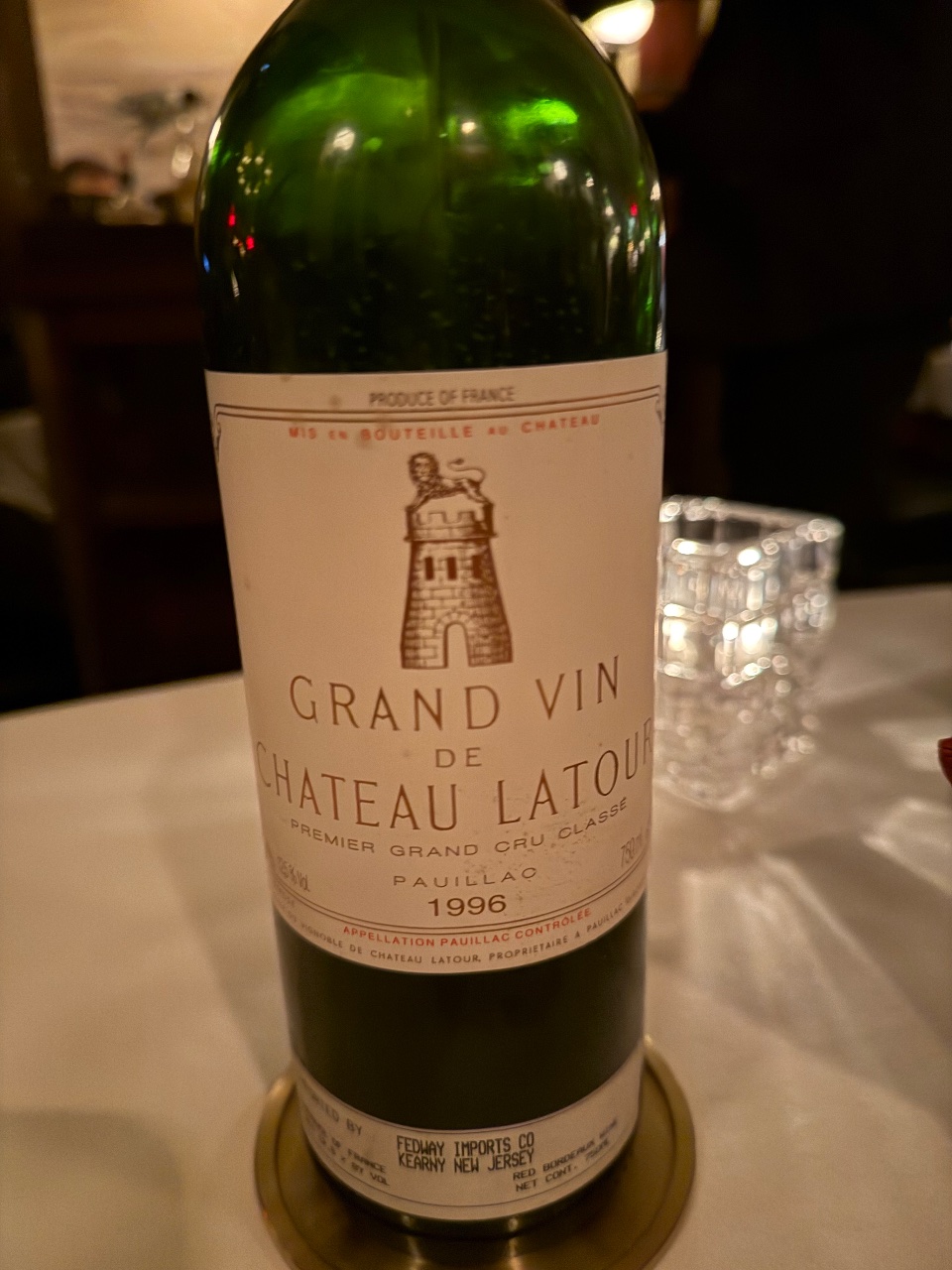
This is the region where people actually own old bottles — inherited, gifted, bought for a birth year. So here's the honest math: at twenty-five to forty-five years old, the vintage matters less than who made it and where it slept. Everyday Bordeaux from these decades is gone, full stop. What's left standing is the serious châteaux, and they sort roughly into three groups:
| The group | The years | The situation |
|---|---|---|
| Still genuinely alive | 1982 · 1986 · 1989 · 1990 · 1996 | The great years. Top châteaux are drinking beautifully now, and the best bottles have another decade |
| Fine, but don't push it | 1985 · 1988 · 1995 · 1998 | Classed growths at full maturity. Drink them now — this is what you were waiting for |
| Almost certainly past | Everything else | Open it tonight out of curiosity, not ceremony. Sometimes you get lucky |
One more thing, because this comes up: if you're buying an old bottle for a birth year, spend your money on provenance, not vintage chasing. A well-stored bottle from a decent year beats a famous year that spent thirty years in someone's garage. And whatever you buy, know that it will taste like old wine: quieter, drier, more cedar than fruit. That's the point, but it surprises people who were expecting something exceptional and fruity with a fancy label.
The price told you the plan. Bordeaux is unusually honest this way. The tier system and the price track the ambition. A $25 Bordeaux was never designed for your grandchildren, no matter what the label's engraving implies.
The blend matters. More Cabernet means more time. More Merlot means readier sooner. The back label usually tells you.
Storage counts. Twenty-year plans require twenty years of cool and dark. A trophy bottle that lived in a warm apartment is on a much shorter clock.
Young Bordeaux that needs time tastes impressive but unfriendly — a wall of dark fruit and tannin that dries your mouth and doesn't say much. Give it violent decanting and a steak, or give it five more years.
Well aged Bordeaux is one of wine's great arguments for patience. The wall comes down, and you get cedar, tobacco, graphite, dried currant — flavor that unfolds instead of hitting. The tannin turns to velvet. Past-peak Bordeaux dries out from the middle. The fruit hollows, the oak and acid stick around, and it tastes more like furniture than wine. Old Bordeaux fades slower than old Burgundy, but it fades.
Should you decant Bordeaux?
Yes — this is the region decanters were made for. Young Bordeaux wants an hour or two of air, minimum. Even mature Bordeaux usually benefits from a gentle decant, if only to leave the sediment behind.
Is 2010 Bordeaux ready to drink?
The everyday bottles came and went years ago. The serious châteaux are just now entering their best years — and the very top wines are still early. If you own good 2010, you're holding a wine still on its way up.
Can you drink good Bordeaux young?
You can...decant it hard and serve it with something rich. But Bordeaux punishes impatience more than most regions. What you get young is power without the conversation. If the bottle was expensive, the whole point is later.
How long does Bordeaux last after opening?
Better than most wine — the structure protects it. Young Bordeaux is routinely better on day two, and even day three can be interesting. Cork it and leave it on the counter.