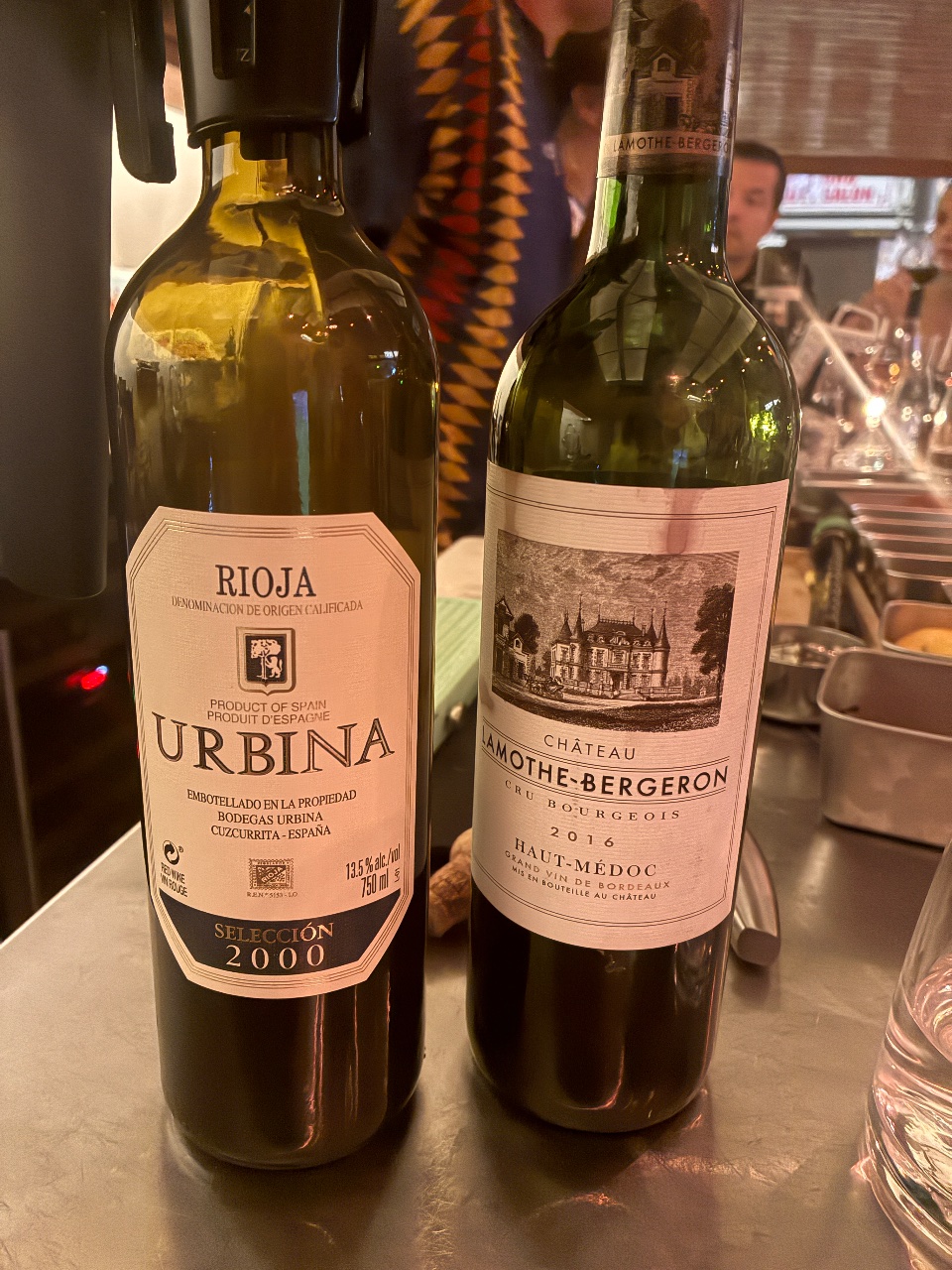
Every other guide in this series exists because wine labels won't tell you when to drink the bottle. Rioja is the exception: the aging is printed on the label. Crianza, Reserva, Gran Reserva — those words are legal categories for how long the wine aged before release, which means the region already did the cellaring. Your job is mostly to not mess it up.
- Crianza aged two years before release. It's ready the day you buy it and best within five years of the vintage.
- Reserva aged three years. Ready on release, better for another five to ten.
- Gran Reserva aged at least five years and the traditional houses hold it far longer, releasing wine that's already ten or more years old. It's ready when you buy it and can hold another decade or two.
- This makes Gran Reserva the best deal in aged wine. Nowhere else on earth do you buy a properly matured, decades-capable wine at these prices. The traditional houses are handing you a finished product other regions charge triple for.
| Vintage | The year | When to drink |
|---|---|---|
| 2022 | Excellent. A hot year handled well | Crianzas now; Reservas arriving: now–2034 |
| 2021 | Exceptional — the modern benchmark | Crianzas now; Reservas now–2033; Gran Reservas will arrive ready |
| 2020 | Very good, fresher style | Now–2030 |
| 2019 | Excellent — structured, the real thing | Now–2035 |
| 2018 | Cooler year, classic-leaning | Now–2030 |
| 2017 | Frost and heat — small and tricky | Drink now |
| 2016 | Very good, fresh | Now–2032 |
| 2015 | Excellent and ripe | Now–2032 |
| 2014 | Good, unflashy | Now–2028 |
| 2013 | Cool and light | Drink up |
| 2012 | Small drought crop, decent | Now–2028 |
| 2011 | Excellent, warm and rich | Now–2030 |
| 2010 | Excellent and classic — the great modern year | Gran Reservas are perfect right now: now–2035 |
One thing to notice: because Gran Reserva releases so late, the current releases are from great years like 2015 and 2016 — you're buying decade-old wine from excellent vintages right off the shelf. There's no waiting involved. That's the whole point of Rioja.
Traditional versus modern is the real divide. The old-school houses (the ones that look like the label hasn't changed since 1955) age wine in American oak for years and release it mature and mellow. The modern producers make darker, riper, oakier wine that behaves like wine from anywhere else: best five to fifteen years from the vintage.
American oak is the signature. That oaky taste in traditional Rioja isn't a flaw, it's the style of an entire region, and it gets better integrated with age.
Storage counts. Mature wine is more fragile than young wine. A Gran Reserva that's already fifteen years old doesn't have another fifteen in it if it's hanging out in your garage.
The answer for most Rioja: it was ready when you bought it. The better question is whether it's still ready. Good mature Rioja is silky and mellow and kind of tastes like dried cherry and tobacco. When it goes past peak, it gets thin and the oak outlives the fruit. Traditional Gran Reserva ages gracefully for decades. Modern styles drop off faster.
What do Crianza, Reserva, and Gran Reserva mean?
Legal minimums for aging before release, roughly two, three, and five-plus years, split between barrel and bottle. They're not quality rankings, they're readiness rankings. A great Crianza beats a boring Gran Reserva; it just needed less patience from you.
Should I age Rioja myself?
Mostly no — that's the region's whole pitch. The exception: traditional Gran Reserva from a great year keeps improving for another decade-plus if you're the patient type. But you're not required to be. It's ready.
Should you decant Rioja?
Young, modern-style Rioja: sure, an hour. Old traditional Rioja: gentle pour off the sediment and drink it within the hour — mature wine opens fast and fades fast.